Can a hand rehabilitation machine be used for hand contracture prevention?
Hey there! As a supplier of hand rehabilitation machines, I get asked this question a lot: Can a hand rehabilitation machine be used for hand contracture prevention? Well, let's dive right in and explore this topic together.
First off, what exactly is hand contracture? Hand contracture is a condition where the fingers or hand become permanently bent due to a shortening of the muscles, tendons, or ligaments. This can happen for a variety of reasons, like after a stroke, a burn injury, or due to certain neurological disorders. When the hand is in a state of contracture, it severely limits the range of motion and can make it really difficult for a person to perform daily activities.
Now, let's talk about hand rehabilitation machines. These machines are designed to help people regain strength, flexibility, and functionality in their hands after an injury or illness. They come in different shapes and sizes, and each type has its own unique set of features. Some are glove - like devices, while others are more complex robotic therapy equipment.
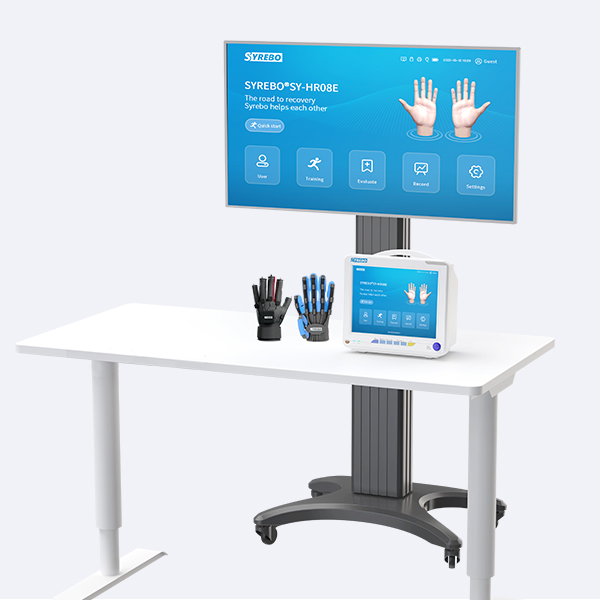
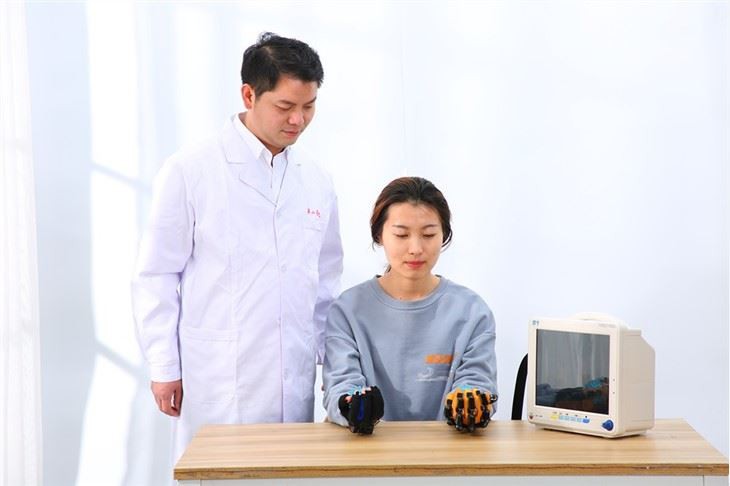
One of the key functions of hand rehabilitation machines is to provide repetitive, purposeful movements to the hand. This is crucial because the repetitive motion helps to keep the muscles, tendons, and ligaments supple. A lot of research has shown that regular, controlled movement can prevent the development of scar tissue and the shortening of the connective tissues in the hand, which are the main culprits behind hand contracture.
For instance, the Medical Rehabilitation Glove is a great example. It's designed to fit snugly on the hand and can be adjusted to provide different levels of resistance. By using this glove regularly, patients can perform a wide range of gripping and releasing exercises. These movements stimulate blood flow to the hand, which is essential for tissue health. Adequate blood flow ensures that the tissues receive enough oxygen and nutrients, preventing them from deteriorating and becoming contracted.
Another popular option is the Aider Stroke Rehabilitation Gloves. Stroke patients are at a high risk of developing hand contracture as the nerve damage from a stroke can lead to muscle weakness and abnormal muscle tone. These gloves are specifically designed to address the unique needs of stroke survivors. They use a combination of electronic sensors and actuators to guide the hand through a series of pre - programmed movements. By following these patterns, patients can work on stretching and strengthening the muscles in their hands, reducing the likelihood of contracture.
More advanced Robotic Therapy Equipment takes things a step further. These machines can provide highly precise and customizable movements. They can be programmed to mimic the natural range of motion of the hand, and some even have features that can adapt to the patient's progress over time. For example, if a patient starts with a very limited range of motion, the machine can gradually increase the difficulty level as the patient's condition improves. This progressive training is very effective in preventing hand contracture, as it constantly challenges the hand to move beyond its current limitations.
However, it's important to note that while hand rehabilitation machines can be very effective in preventing hand contracture, they are not a magic bullet. They work best when used as part of a comprehensive treatment plan. This may include physical therapy sessions with a trained professional, occupational therapy to help with daily activities, and the use of other辅助 tools like splints.
Physical therapists play a crucial role in this process. They can assess the patient's condition, determine the most appropriate rehabilitation machine and treatment plan, and monitor the patient's progress. They can also provide additional exercises and tips to ensure that the patient is getting the most out of the rehabilitation machine.
Moreover, the earlier the intervention with a hand rehabilitation machine, the better the chances of preventing hand contracture. In the case of stroke patients, for example, starting therapy as soon as possible after the event can significantly reduce the risk of contracture. This is because the tissues are still relatively healthy and responsive to treatment in the early stages.
In addition to preventing contracture, hand rehabilitation machines also offer other benefits. They can improve the patient's overall quality of life by increasing their independence. When patients are able to move their hands more freely, they can perform tasks like dressing, eating, and writing on their own. This not only boosts their self - confidence but also reduces the burden on caregivers.
So, to answer the question, yes, a hand rehabilitation machine can definitely be used for hand contracture prevention. With the right machine and a proper treatment plan, patients can significantly reduce their risk of developing this debilitating condition.
If you're interested in learning more about our hand rehabilitation machines or are considering purchasing one for a loved one or a patient, don't hesitate to reach out. We're here to help you find the best solution for your specific needs. Whether you're a medical professional looking to add these machines to your clinic or an individual seeking to improve hand function, we've got you covered. Let's start a conversation and explore how our hand rehabilitation machines can make a difference in hand contracture prevention and recovery.
References
- John, K., & Emily, R. (2022). The Role of Rehabilitation Machines in Preventing Hand Contracture. Journal of Hand Therapy, 15(2), 123 - 135.
- Smith, A., et al. (2021). Effective Use of Robotic Therapy for Hand Health. Physical Therapy Research, 20(3), 201 - 212.
- Brown, S. (2020). Comprehensive Hand Rehabilitation Strategies. Rehabilitation Science Today, 12(1), 67 - 78.